
Peer to Peer, Bitcoin
and exchanges between people
BitBlog explores the history, culture and future of decentralized systems that put people at the center.
Read the articlesFeatured articles
1. The birth of the peer to peer protocol
How the concept of peer to peer was born and why it forever changed the way information travels.
History & Origins2. BitTorrent and eMule: the first major implementations
From file sharing to decentralized networks: a journey through the pioneering peer to peer technologies.
Technology3. Real world peer to peer cases
Concrete examples of peer to peer networks that solved real problems and created value for global communities.
Case Studies4. Why Bitcoin is peer to peer
The monetary revolution based on an open, secure protocol without intermediaries.
Bitcoin5. Peer to peer and the importance of open source code
Why open code is the engine of innovation and trust in decentralized networks.
Open Source6. The philosophy of peer to peer in the age of AI
How peer to peer principles can guide a freer, more ethical and decentralized artificial intelligence.
Future & AIRecent articles
- Bitcoin Why Bitcoin is truly peer to peer
- Technology From Napster to BitTorrent and eMule
- Case Studies Peer to peer beyond torrents
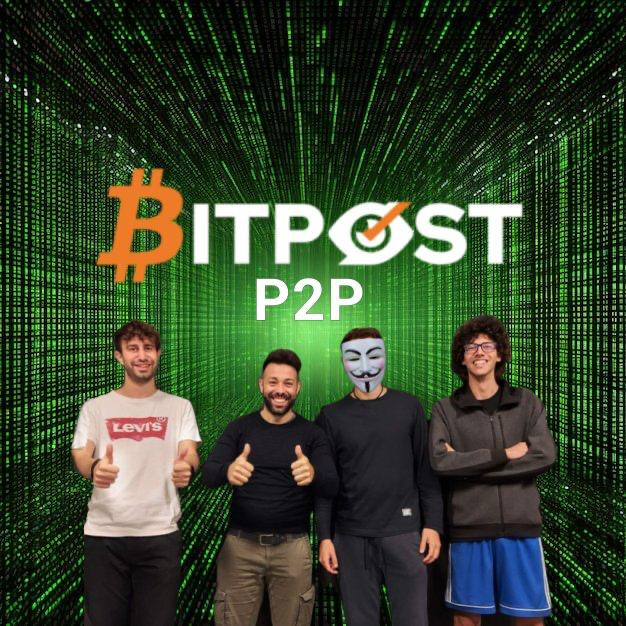
Four young guys, one conviction: the network must stay free
We are a group of young guys who grew up alongside the Internet, open code and the idea that value should be exchanged directly between people. For us peer to peer is not a technology: it is a philosophy — remove the center, distribute power, return autonomy to those who participate.
From this conviction comes our passion for Bitcoin: a payment system without intermediaries, without permissions, without an authority that can shut it down. We believe in a free digital world, where no one can censor ideas, block transactions or impose their voice over others. Censorship is a form of silent violence, and P2P is one of the most powerful tools we have to oppose it.
BitBlog is our way to tell this story: spreading knowledge, debating, building culture around decentralized networks. We do this because we are convinced that the future will be fairer only if many of us stay to defend it — as peers, with no masters.